The transition to clean energy is not just an environmental priority; it’s an economic revolution. As nations invest in solar, wind, hydro, and emerging green technologies, a massive wave of global renewable energy jobs is reshaping labor markets worldwide.
From technicians installing solar panels to engineers designing offshore wind farms, the renewable energy sector is becoming one of the fastest-growing sources of employment. This boom signals a fundamental shift in how economies operate, powering both sustainability and long-term job creation.
Why Renewable Energy Is Creating Millions of Jobs
Several factors are driving the surge in renewable energy employment. First, global climate commitments are pushing countries to reduce greenhouse gas emissions, spurring unprecedented investment in clean technologies. Second, the cost of renewable power has dropped significantly over the past decade, making solar and wind not just sustainable choices but economically competitive options. Third, aging fossil-fuel infrastructures are being phased out, increasing demand for new energy systems and the workers who build them.
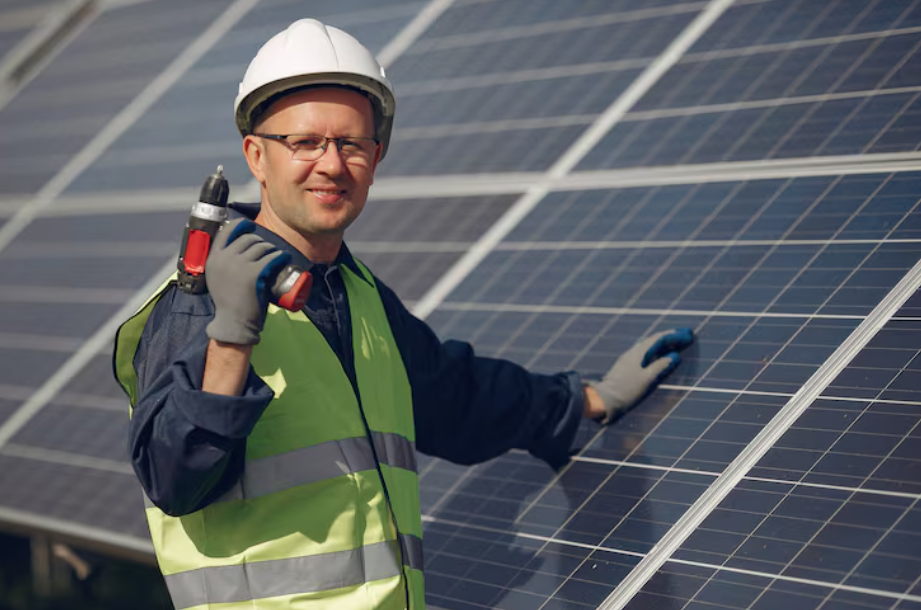
Solar energy is at the forefront of this surge. Solar projects require large labor forces for installation, maintenance, and manufacturing, creating opportunities in both developed and developing regions. Wind power, particularly offshore wind, is experiencing similar growth, driven by long-term government incentives and corporate clean energy commitments. As these industries expand, they generate jobs in construction, logistics, project management, and manufacturing.
Unlike fossil-fuel operations, renewable-energy projects tend to distribute job opportunities across rural, urban, and coastal regions, spreading economic benefits to a broader population.
Explore The Global Push for Clean Shipping and Aviation to see how green policies create new specialized jobs.
Where the Clean-Energy Workforce Is Growing Fastest
Asia leads the world in renewable energy employment, with China alone accounting for a significant share of global jobs. The country leads in solar panel manufacturing, battery production, and wind turbine construction, supported by decades of industrial investment and strong policy backing. India is following closely, expanding solar infrastructure to meet rising demand and reduce reliance on coal.
Europe has also become a central hub for renewable energy, particularly in offshore wind. Countries such as Denmark, Germany, and the United Kingdom are investing heavily in large-scale wind farms, creating thousands of high-skilled technical and engineering positions. The European Union’s Green Deal is accelerating workforce development by prioritizing training programs and green skills education.
In the United States, the Inflation Reduction Act has spurred the development of renewable projects nationwide. New factories for solar panels, EV batteries, and wind components are opening across the country, with many located in regions hit hardest by the decline of coal and manufacturing. This shift is revitalizing local economies while preparing workers for future-ready careers.
Developing nations in Africa and Latin America are also experiencing growth, particularly in distributed solar projects that expand energy access and create opportunities for local entrepreneurs and technicians.
Check out The Global Rise of Biotech Startups for a look at innovation creating highly skilled, technical roles.
Skills, Training, and the Workforce of the Future
As renewable energy expands, the demand for skilled workers is becoming one of the sector’s biggest challenges. Solar and wind technicians, electrical engineers, data analysts, environmental planners, and energy storage specialists are among the most in-demand roles in the industry. However, many regions face shortages of trained workers, prompting governments and companies to develop accelerated training programs and vocational initiatives.
Transitioning workers from fossil-fuel industries is another major priority. Retraining programs in the U.S., Europe, and Australia aim to help former coal and oil workers shift into renewable-energy roles, leveraging existing technical skills while creating new pathways for long-term employment. Ensuring fair and equitable transitions will be crucial for maintaining public support for green energy policies.
Technological innovation is also shaping the future workforce. AI-powered energy management, smart-grid development, and advanced battery systems are creating new categories of jobs that blend engineering, data science, and sustainability expertise.
To understand supply chains powering renewable-energy careers, see The Race for Rare Earth Minerals and Clean Tech Supremacy
A New Era of Sustainable Economic Growth
The global boom in renewable-energy jobs marks a turning point for the world economy. Clean-energy industries are now major engines of job creation, outperforming fossil fuels in growth, stability, and long-term potential. As governments strengthen climate targets and corporations adopt net-zero ambitions, the momentum behind these industries will only intensify.
This shift represents more than just an energy transition; it’s the foundation of a new economic era. Countries that invest boldly in green infrastructure and workforce development will be best positioned to lead in the decades ahead, driving innovation, competitiveness, and sustainable prosperity.