
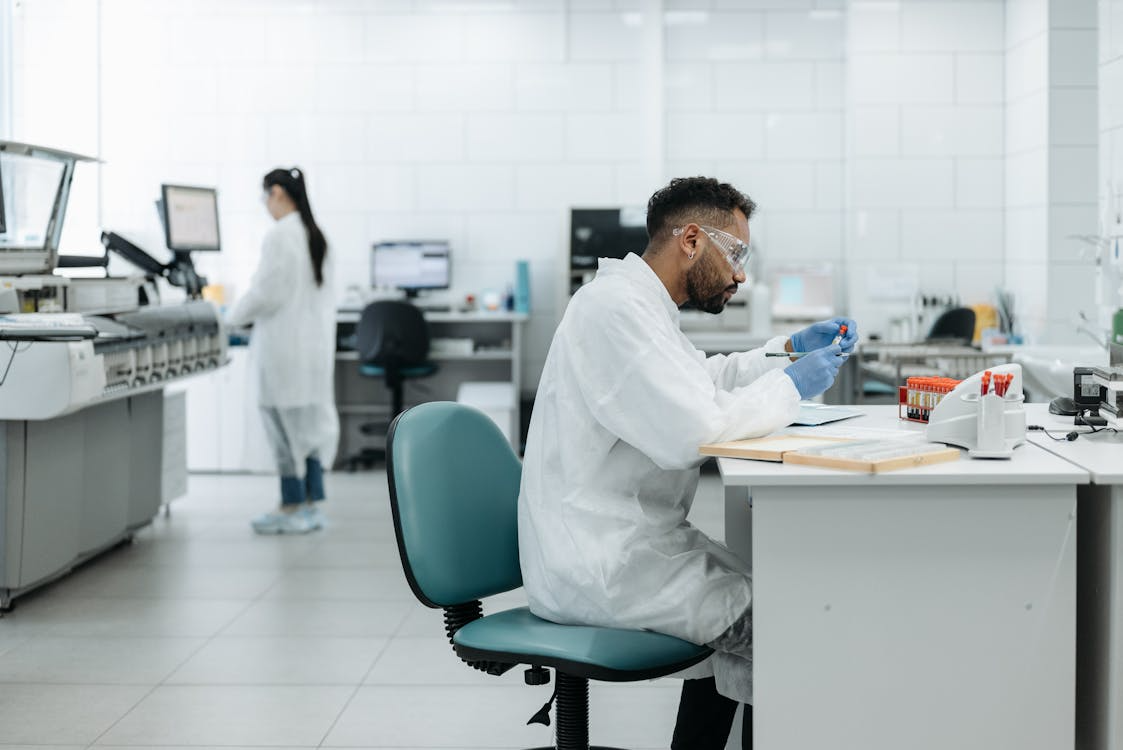
Biotechnology has entered a period of explosive growth. Fueled by advances in genomics, AI-driven research, and unprecedented investment, global biotech startups worldwide are developing breakthroughs that could transform medicine, agriculture, and environmental management.
Long dominated by major pharmaceutical corporations and research institutions, the biotech field is now being reshaped by agile young companies that can innovate more quickly, target niche challenges, and bring new ideas to market at an incredible speed.
Why Biotech Innovation Is Accelerating
Several forces are converging to propel biotech startups forward. The cost of gene sequencing has dropped significantly, enabling researchers to analyze DNA more quickly and affordably than ever before. Artificial intelligence now helps scientists predict protein structures, design molecules, and accelerate the discovery of new drugs. These are all tasks that once required years of trial and error.
The pandemic also transformed public and private investment in biotech. The rapid development of mRNA vaccines showcased the potential of fast-moving, innovative biotech firms. Governments and investors responded by pouring billions into life sciences funding, creating fertile ground for new companies to emerge.
Meanwhile, interest in precision medicine, personalized treatments, and sustainable agriculture is rising globally. These emerging markets offer enormous opportunities for biotech startups with fresh approaches and cutting-edge technology.
Read Can Tech Solve the World’s Hunger Problem? to see how innovation tackles agriculture and hunger challenges.
Breakthrough Areas Driving Startup Growth
Biotech innovation spans a wide array of fields, but several areas stand out for their rapid growth and expansion. In healthcare, gene therapy and CRISPR-based editing offer the potential to cure genetic diseases once considered untreatable. Startups are developing targeted therapies for cancer, rare diseases, and autoimmune disorders using engineered cells and customized genetic tools.
Synthetic biology is another booming sector. Companies are designing microbes to produce sustainable materials, alternative proteins, and biodegradable plastics. Some startups are engineering bacteria that can break down waste, capture carbon, or generate clean energy.
Agricultural biotechnology is also rising, addressing challenges such as food security, climate resilience, and soil health. Startups are creating drought-resistant crops, biological pest control solutions, and carbon-sequestering plants that help reduce agricultural emissions.
These innovations demonstrate how biotech is becoming central to solving global challenges, from disease to climate change.
See Women Leading Global Innovation for more on diverse founders reshaping science and tech.
Global Hubs Powering Biotech’s Expansion
While the United States remains a biotech powerhouse, with significant hubs in Boston, San Francisco, and San Diego, other regions are rapidly emerging. Europe is home to thriving biotech ecosystems in the United Kingdom, Germany, Switzerland, and the Nordic countries. Strong research institutions and government incentives support the expansion of a network of startups.
In Asia, China is investing heavily in genomics, pharmaceuticals, and synthetic biology. Shenzhen and Beijing have become major centers for research and biotech manufacturing. Japan and South Korea are also boosting their biopharmaceutical sectors, aiming to compete on a global scale.
India is also experiencing rapid growth, supported by a robust biopharma industry and a growing clinical research sector. Across Africa and Latin America, biotech hubs are forming around universities, focusing on local challenges such as infectious disease, agriculture, and renewable energy.
This global diversification ensures that biotech solutions are being developed with regional needs and perspectives in mind.
Explore The Race for Rare Earth Minerals and Clean Tech Supremacy for more on materials powering next-generation biotech.
Challenges Facing the Next Generation of Biotech Startups
Despite their promise, biotech startups face significant hurdles. Research and development costs can be high, and clinical trials require substantial funding and regulatory approval. Many startups struggle to scale from laboratory success to market-ready products.
Regulation remains a complex barrier, especially for therapies involving gene editing or genetically modified organisms. Public trust is another challenge, as misinformation or ethical concerns can slow adoption.
Talent shortages in specialized fields, such as computational biology and bioprocess engineering, also pose difficulties; however, universities and training programs are working to close the gap.
Even so, collaboration between academia, industry, and government is stronger than ever, helping young companies overcome these obstacles.
Discover Africa’s Booming Tech Scene: The Next Silicon Valley? to explore how regional hubs accelerate startups
A New Era of Global Biotechnology
Biotech startups are ushering in a new era where scientific breakthroughs translate to real-world impact faster than ever before. Their contributions promise to redefine healthcare, strengthen food systems, combat climate change, and shape the future of sustainable innovation.
As global investment grows and technology continues to advance, the biotech revolution will accelerate, creating new opportunities, industries, and transformative solutions for some of humanity’s most significant challenges.