
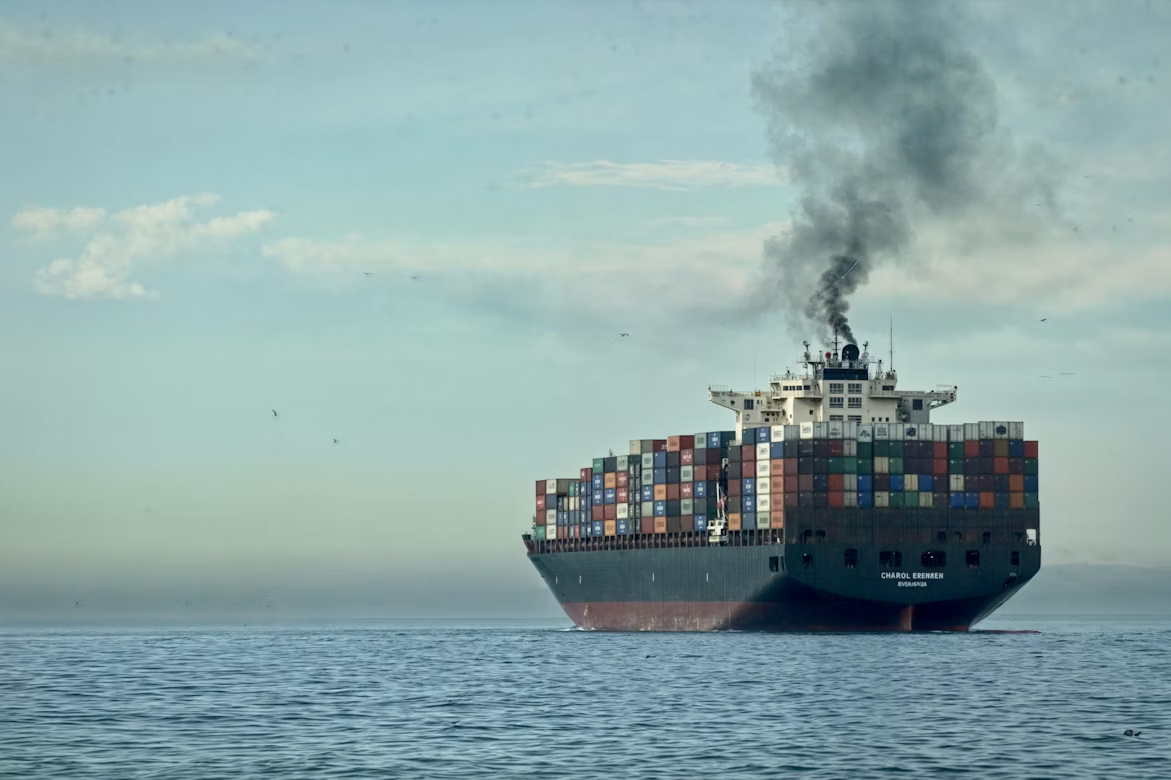
As climate concerns intensify, two of the world’s most polluting industries—shipping and aviation—are under mounting pressure to reduce their carbon footprints.
Together, shipping and aviation account for approximately 5% of global emissions, and their impact is projected to increase as international trade and travel continue to expand. In response, governments, airlines, shipping companies, and technology innovators are launching ambitious clean shipping and aviation initiatives to transform how goods and people move across the planet. The race toward cleaner skies and seas is accelerating—and the stakes couldn’t be higher.
Why Shipping and Aviation Are Hard to Decarbonize
Unlike power plants or vehicles that can be easily electrified, ships and aircraft require immense amounts of energy over long distances. Current battery technology cannot deliver the energy density needed for transoceanic cargo ships or long-haul flights. As a result, both industries rely heavily on fossil fuels: aviation depends on refined jet fuel, while shipping primarily uses heavy fuel oil, one of the dirtiest petroleum products.
The pandemic briefly slowed emissions as global travel plummeted, but activity has since rebounded. Forecasts indicate that without intervention, aviation emissions could triple by 2050, while shipping emissions could increase by half over the same period. These trends underscore the urgency of developing cleaner alternatives before climate targets become unattainable.
Read The Global Boom in Renewable Energy Jobs to see how clean energy creates new industries.
New Technologies Powering Low-Carbon Aviation
Sustainable aviation fuel (SAF) has emerged as the most promising near-term solution. Made from feedstocks like vegetable oils, waste fats, agricultural residues, or even captured CO₂, SAF can reduce lifecycle emissions by up to 80% compared to traditional jet fuel. Major airlines, including United, Lufthansa, and Qantas, have begun using SAF on select routes, though global production remains limited.
Electric and hybrid aircraft are another area of innovation, ideal for short-haul routes and regional travel. Several startups are testing battery-powered planes capable of carrying small passenger loads, while hybrid-electric engines may eventually support medium-range flights. Hydrogen-powered aviation is also gaining momentum, with Airbus planning to develop a zero-emission hydrogen aircraft by 2035.
Infrastructure remains a significant challenge. Airports will require new fueling systems, storage facilities, and hydrogen distribution networks to support the transition to hydrogen-powered aircraft. Until these investments accelerate, adoption will remain slow but continue to increase steadily.
Explore The Return of Nuclear Energy — and What It Means for the Planet for another major low-carbon energy pathway.
How the Shipping Industry Is Charting a Cleaner Course
The maritime sector is pursuing multiple decarbonization pathways, each aimed at reducing reliance on heavy fuel oil. Green ammonia and green methanol, produced using renewable energy, are emerging as leading alternatives. Several shipping giants, including Maersk, have already ordered methanol-powered vessels and are investing in global refueling hubs to support their operations.
Wind-assisted propulsion is making a surprising comeback, with modern rotor sails and wing-like structures improving fuel efficiency by harnessing wind power. Meanwhile, fully electric ferries are already in operation in Scandinavia, demonstrating that electrification is viable for short maritime routes.
Ports are also critical players in the transition. Many are adopting shore power systems that allow ships to plug into the electrical grid while docked, eliminating emissions from idling engines. Digital logistics tools are helping optimize shipping routes, reducing unnecessary fuel consumption and lowering emissions across entire fleets.
Check out Why ‘Green Steel’ Could Revolutionize Manufacturing for another look at decarbonizing heavy industry.
Global Efforts and Policy Momentum
International regulation is beginning to catch up with the urgency of the moment. The International Maritime Organization (IMO) has introduced targets to cut shipping emissions, while the International Civil Aviation Organization (ICAO) is implementing a carbon offset and reduction scheme for airlines. Regional policies, such as the European Union’s inclusion of aviation and shipping in its emissions trading system, are accelerating investment in greener technologies.
Still, progress requires global coordination. Unlike national industries, shipping and aviation inherently operate across borders, making harmonized policy essential. Without unified standards, companies risk navigating a patchwork of regulations that complicate long-term planning and decision-making.