Feeding the world’s growing population is becoming one of the most significant challenges of the 21st century. Climate change, conflict, soil degradation, and supply-chain disruptions threaten the stability of global food systems.
Today, nearly 800 million people face chronic hunger, while billions more lack consistent access to nutritious food. As pressure grows, governments and innovators are looking to technology and food security as the key to solving food insecurity on a global scale.
The Rising Pressures on Global Food Systems
Agriculture is under unprecedented strain. Extreme weather events, ranging from droughts to floods, are disrupting crop cycles, reducing yields, and rendering farming conditions increasingly unpredictable. Regions that once relied on consistent rainfall now face prolonged dry seasons, while others see their growing seasons flooded or devastated by storms. These climate shocks disproportionately affect small-scale farmers, who often lack the resources to adapt.
At the same time, global populations continue to increase, particularly in regions already struggling with food shortages. Urbanization further complicates the equation, reducing the amount of arable land while increasing demand for processed foods. Supply chains are facing additional destabilization from geopolitical conflicts, rising energy costs, and trade restrictions. The result is a food system that is increasingly fragile and unable to meet long-term needs without significant innovation.
In this context, tech-driven solutions are emerging as powerful tools that could reshape how food is grown, distributed, and consumed.
See Why Water Scarcity Could Become the Next Oil Crisis for another key resource risk.
Breakthroughs in Agricultural Technology
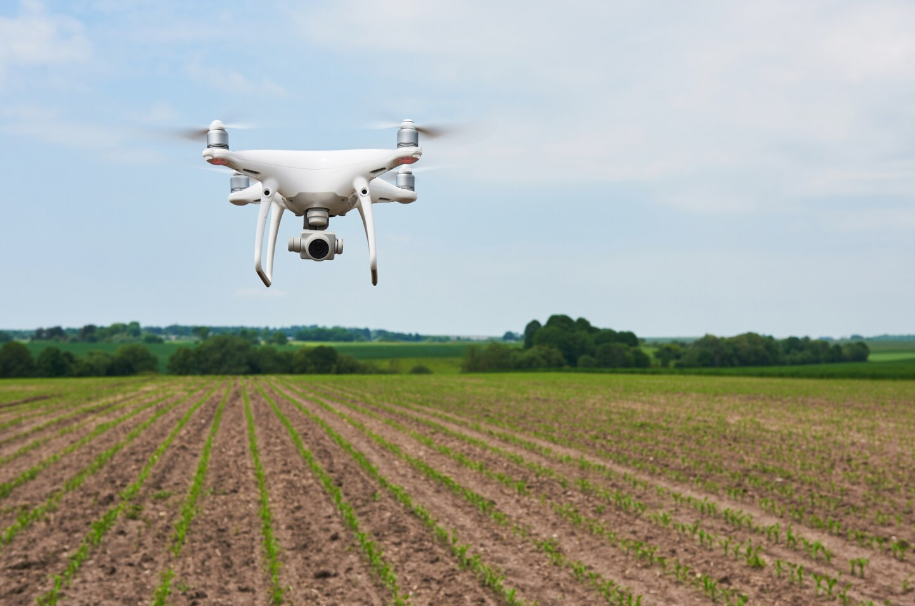
One of the most promising areas of innovation is precision agriculture. Using sensors, drones, satellites, and AI-powered analytics, farmers can monitor soil health, water usage, and crop conditions in real time. These tools help optimize planting and harvesting, reduce waste, and increase yields with fewer resources. Countries such as Israel, the Netherlands, and the United States are at the forefront of this movement, demonstrating how data-driven farming can improve resilience.
Vertical farming and hydroponics are also transforming food production, especially in urban areas. These controlled environments enable year-round growth with significantly reduced water and land usage. Singapore and Japan have adopted these technologies to reduce their reliance on imports and enhance local food security. As costs decrease, vertical farms could become vital sources of fresh produce in cities with limited space.
Genetic innovation is another crucial frontier. Advances in gene editing and the development of drought-resistant crop varieties enable farmers to adapt to increasingly harsher climates. While genetically modified foods remain a topic of controversy in some regions, experts argue that climate-resilient crops may be essential to meeting future food demands.
Read The Global Rise of Biotech Startups for more on cutting-edge innovation.
Improving Distribution and Reducing Waste
Technological innovation extends far beyond crop production. Roughly one-third of all food produced globally is lost or wasted, primarily due to inadequate transportation, insufficient cold storage, or weak supply chains. Improving logistics could feed millions more people without increasing agricultural output.
Blockchain and digital tracking systems offer greater transparency across supply chains, helping reduce fraud, spoilage, and inefficiency. Startups in Africa and Southeast Asia are utilizing mobile apps to connect farmers directly with markets, thereby eliminating intermediaries and securing better prices. Cold-storage innovations, including solar-powered refrigeration, are reducing post-harvest losses in regions where reliable electricity is unavailable.
In wealthier countries, AI-driven inventory systems help retailers and consumers minimize waste. These combined efforts show that food security is not only about producing more; it’s about delivering food where it’s needed most.
Check How Political Unrest Impacts the World’s Supply Chains to see how conflict disrupts food flow.
Can Tech Alone End World Hunger?
While technology provides powerful tools, it is not a stand-alone solution. Hunger often stems from political instability, inequality, and economic barriers rather than production shortages. No amount of innovation can overcome fragile governance, conflict zones, or systemic poverty without coordinated policy efforts.
Still, technology can dramatically strengthen the resilience of global food systems. When paired with investment, education, and international cooperation, agricultural innovations can help close the gap between supply and demand. The future of technology and food security will depend not only on what we can grow, but on how equitably we can distribute and sustain it.