Around the world, massive global infrastructure mega projects are transforming the way goods move, nations connect, and economies grow.
These projects, which span railways, ports, energy corridors, and artificial waterways, represent some of the most ambitious engineering feats in history. As global trade patterns shift and geopolitical alliances evolve, these mega-projects are redefining the physical and economic landscape of international commerce.
The Belt and Road Initiative: China’s Global Trade Network
No modern project rivals the scale of China’s Belt and Road Initiative (BRI). Launched in 2013, the BRI encompasses thousands of projects spanning more than 140 countries, connecting Asia, Europe, Africa, and the Middle East through new highways, ports, railways, and power stations. It is essentially a modern reimagining of the ancient Silk Road, and one designed to expand China’s economic influence and secure long-term trade routes.
Flagship developments include the China–Europe Railway Express, which significantly reduces shipping times between the two regions, as well as significant port investments in Sri Lanka, Pakistan, and Greece. These new hubs strengthen China’s maritime presence and create alternative routes that bypass traditional chokepoints, such as the Strait of Malacca.
Critics warn of the debt burdens that participating nations will face, while supporters argue that the BRI is accelerating development in regions that have long been underserved by infrastructure investment. Regardless of perspective, its impact on global trade is undeniable and far-reaching.
For a wider view of shifting trade routes, see How Trade Routes Are Shifting in a Post-Pandemic World.
The Northern Sea Route: A Shorter Path Through the Arctic
As Arctic ice retreats due to rising temperatures, new shipping lanes are opening that could dramatically shorten trade routes. The Northern Sea Route, which runs along Russia’s northern coast, offers a direct path between Asia and Europe, potentially saving thousands of miles and weeks of travel compared to the Suez Canal route.
Russia is investing heavily in icebreakers, ports, and energy terminals to commercialize this emerging corridor. China has also expressed interest, describing itself as a “near-Arctic state” and partnering with Russia to transport liquefied natural gas (LNG) through Arctic channels.
While environmental concerns and extreme weather remain obstacles, the Arctic’s growing navigability could transform global shipping, reduce transit times, and alter the geopolitical balance of maritime trade.
Read How Smart Cities Are Transforming Urban Life Across Continents to see how the effects of new infrastructure.
High-Speed Rail Systems Transforming Regional Connectivity
High-speed rail is redefining cross-border movement, particularly in Europe and Asia. One of the most transformative projects is the Jakarta–Bandung high-speed railway in Indonesia. It will be the first of its kind in Southeast Asia. Built in partnership with China, it showcases the region’s commitment to modernizing infrastructure and boosting economic integration.
In the Middle East, Gulf nations are developing the GCC Railway, a regional network that will link Saudi Arabia, the UAE, Qatar, Kuwait, Bahrain, and Oman. Once completed, it will streamline freight movement and reduce heavy road congestion across the peninsula.
Africa is also making progress. The Standard Gauge Railway in Kenya, along with planned expansions across East Africa, aims to strengthen trade routes from inland regions to coastal ports. These rail systems promise faster logistics, reduced shipping costs, and greater regional cohesion.
Check out The Global Push for Clean Shipping and Aviation for more on a greener global logistics.
Mega-Ports, Canals, and Energy Corridors Reshaping Global Logistics
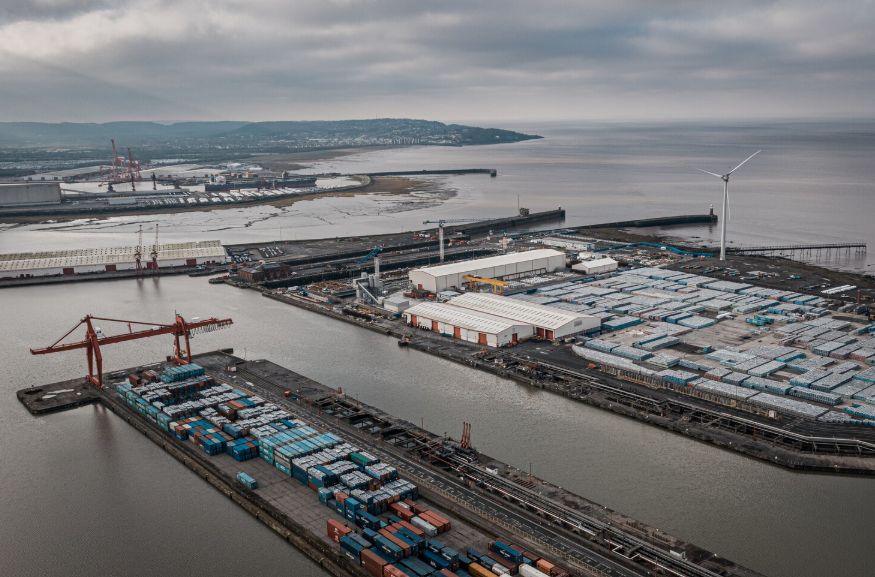
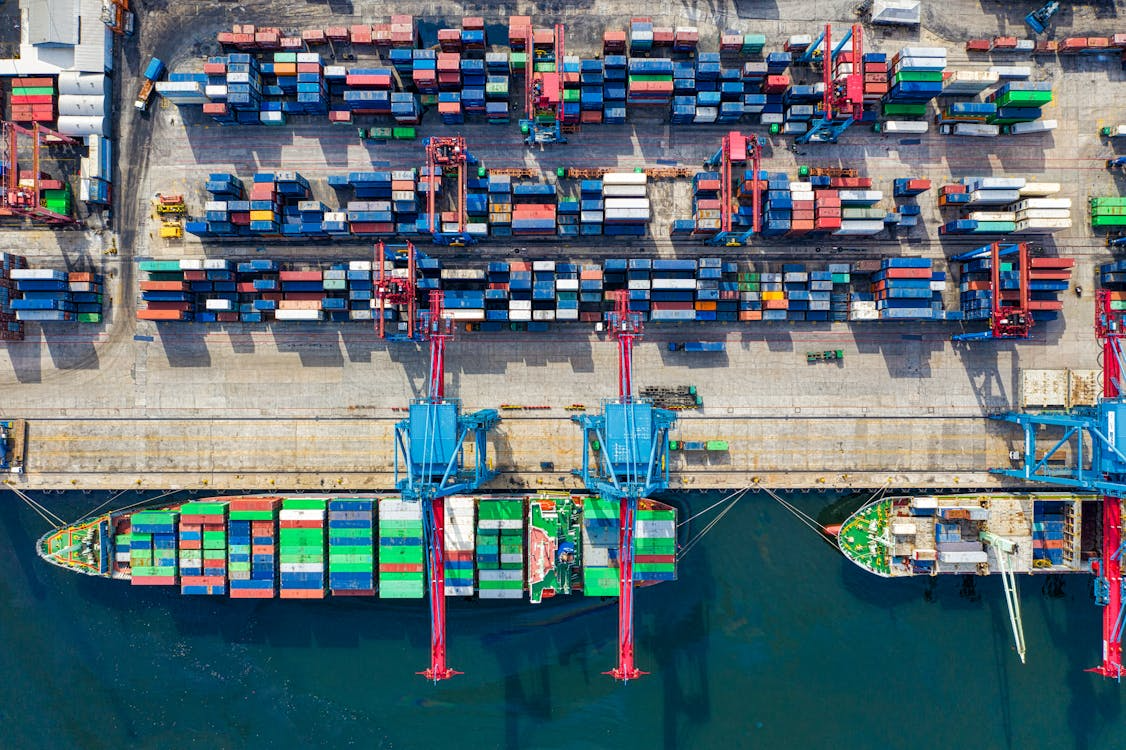
Ports and canals are foundational to global trade, and several new mega-projects are redefining maritime logistics. The expansion of the Panama Canal has already doubled its capacity, allowing larger ships to access Atlantic and Pacific markets with greater efficiency. A proposed Nicaragua Canal, though currently stalled, highlights the ongoing interest in alternative transoceanic routes.
In the Middle East, the UAE’s Khalifa Port and Qatar’s Hamad Port are emerging as major regional hubs, providing advanced logistics capabilities to support growing trade flows. Africa’s Lamu Port in Kenya aims to link East Africa to new energy corridors and stimulate trade with Ethiopia and South Sudan.
Energy pipelines and corridors are also reshaping trade dynamics. Projects like the Trans-Anatolian Natural Gas Pipeline (TANAP) and the East African Crude Oil Pipeline (EACOP) are redefining how energy moves across continents, influencing global energy markets in the process. Together, these global infrastructure mega projects will help decide how and where trade flows in the decades ahead.