Rare earth minerals, which are essential components in smartphones, electric vehicles, wind turbines, and advanced military systems, have become one of the most strategic resources globally.
As nations transition toward clean energy and digital technologies, demand for these minerals is skyrocketing. This has triggered a global competition to secure the rare earth mineral supply chain, dominate processing capabilities, and ensure long-term access to the materials that will power the 21st-century economy. The race for rare earths is not just an economic contest; it is also a geopolitical one. It is a defining geopolitical struggle.
Why Rare Earth Minerals Are So Critical
Rare earths consist of 17 elements used in technologies ranging from EV batteries and solar panels to fighter jets and satellite systems. They are essential to producing powerful magnets, advanced semiconductors, and high-efficiency motors. Without them, clean-tech manufacturing would slow to a crawl.
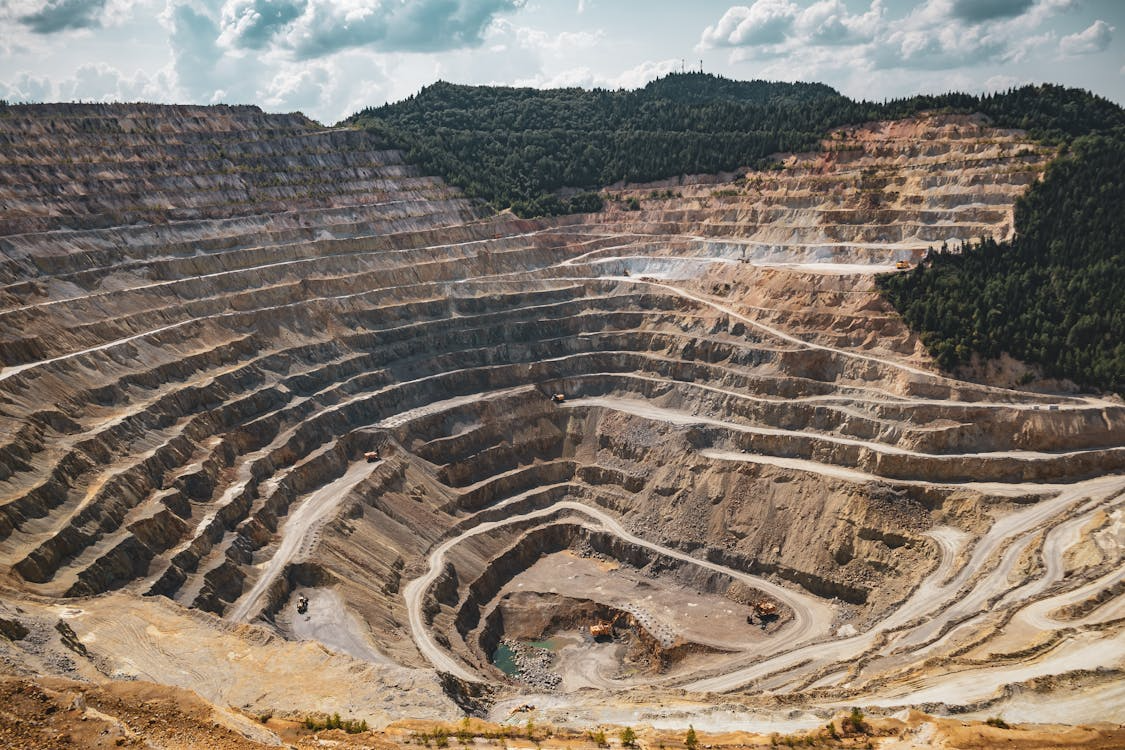
Despite their importance, rare earth minerals are challenging to extract and refine. They rarely occur in high concentrations, and processing them requires specialized equipment and expertise. This makes supply chains vulnerable to disruption, mainly when dominated by a small number of producers.
As global climate goals accelerate the electrification of energy, demand for rare earths, especially neodymium, dysprosium, and terbium, is projected to rise sharply. The countries that control these resources will gain enormous economic and strategic leverage.
See How Quantum Computing Could Redefine Global Security for another technology reshaping strategic power dynamics.
China’s Dominance and the Geopolitical Stakes
China currently dominates the rare earth industry at nearly every stage. It produces the majority of the world’s rare earth minerals and controls over 85% of global processing capacity. This dominance is the result of decades of investment, state-backed subsidies, and strategic resource planning.
China’s leadership has raised concerns among Western nations, mainly after Beijing temporarily restricted rare earth exports during past diplomatic disputes. These events underscored how geopolitical tensions can disrupt global supply chains and threaten strategic industries, ranging from defense to renewable energy.
In response, the United States, Japan, Europe, and Australia are working urgently to diversify their supply chains. This effort marks one of the most significant realignments of resources in the modern era.
For a parallel context, read The Race to Dominate Space: Who’s Winning the 21st-Century Space Race?
New Global Players Enter the Competition
Several countries are emerging as significant producers in the rare earths market. Australia has become a major alternative supplier, with companies like Lynas expanding refining capabilities outside of China. The United States is reopening mines and investing in domestic processing facilities, including projects in California and Texas.
In Africa, nations such as Tanzania, Malawi, and Burundi are developing rare earth mining projects with support from international investors. Vietnam and Myanmar also hold significant deposits, though political instability may limit long-term potential.
Europe is exploring new sources, from Sweden to Greenland, and investing heavily in recycling programs to recover rare earths from discarded electronics. This is a key strategy for reducing Europe’s dependence on new mining.
Globally, governments and companies are forming strategic alliances to create secure, transparent, and diversified rare earth supply networks.
Check out The Future of Global Currencies to explore how economic realignments influence global resource control.
The Clean Tech Revolution Depends on Mineral Security
The shift toward renewable energy places rare earths at the center of clean-tech competition. Electric vehicles rely heavily on rare earth magnets for motors, while wind turbines need them for high-efficiency generators. Solar panels, energy-efficient lighting, and grid-storage systems all require rare earth elements or related critical minerals.
As companies scale up clean-energy production, mineral shortages could slow climate progress. Automakers already face supply-chain challenges that threaten EV expansion. Without diversified access to rare earths, clean-tech goals could be delayed or controlled by a handful of dominant suppliers. This has transformed mineral security into a national priority for governments worldwide.
Consider Why ‘Green Steel’ Could Revolutionize Manufacturing for another industry transforming under clean-tech pressure.
Building a Sustainable and Ethical Mineral Future
Amid rising demand, environmental and ethical concerns are growing. Rare earth mining can produce toxic waste, pollute waterways, and harm local ecosystems if not properly managed. Some mining regions face labor issues, unsafe working conditions, and limited oversight.
To address these issues, companies and governments are developing sustainability standards, investing in cleaner extraction technologies, and expanding recycling programs to recover rare earths from electronic waste. Circular-economy models could eventually reduce reliance on raw mining and make mineral supply more resilient.
Innovation is also underway to reduce the amount of rare earths required in clean-tech devices and to develop alternative materials. While these solutions are still emerging, they hold promise for mitigating long-term pressure on mineral supply chains.