
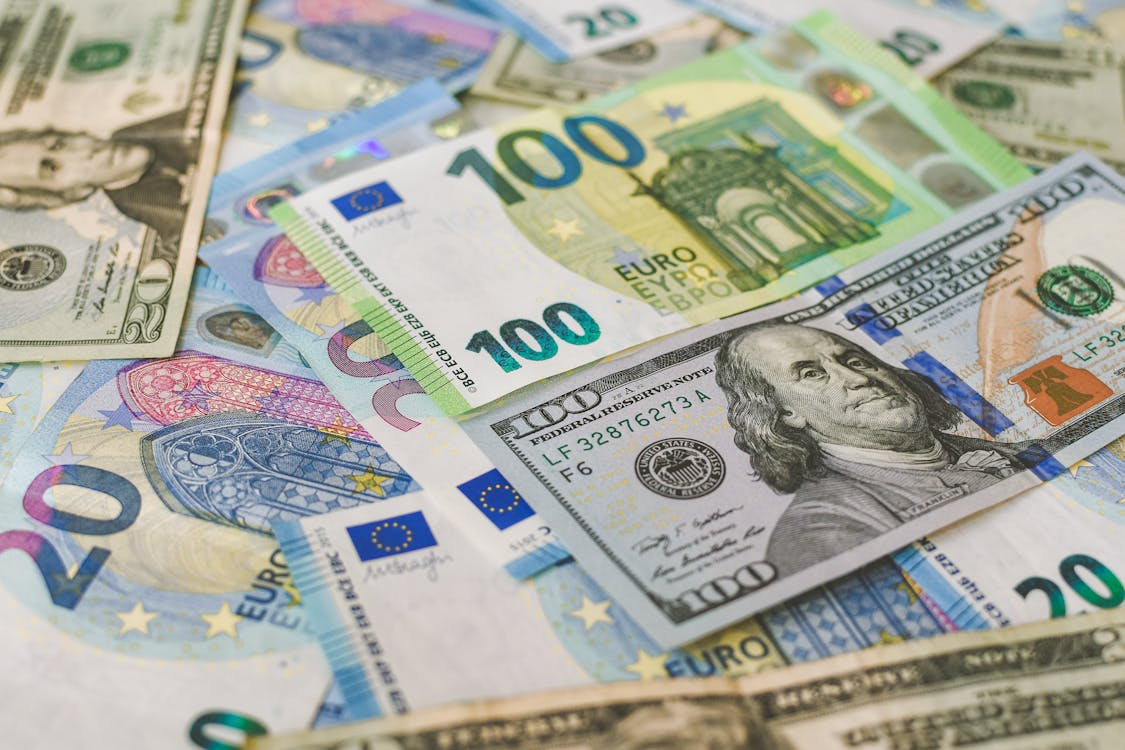
For nearly eight decades, the U.S. dollar has served as the backbone of global finance, shaping the future of global currencies. It dominates trade invoicing, international reserves, and cross-border investment. But the world is changing.
Rising geopolitical tensions, the growth of emerging economies, and the formation of new currency alliances have raised a critical question: Is the era of unquestioned dollar dominance coming to an end, or simply evolving into a more multipolar reality?
The BRICS Challenge to Dollar Dominance
One of the most vocal challenges comes from the expanding BRICS bloc—Brazil, Russia, India, China, and South Africa, now joined by newcomers like Egypt, Ethiopia, Iran, and the UAE. The BRICS nations collectively represent a significant share of the global GDP, natural resources, and population. Their motivation is clear: reduce vulnerability to U.S. monetary policy and sanctions.
China, in particular, has led the charge, promoting the yuan for energy deals and cross-border settlements. Russia has increasingly relied on the yuan after sanctions cut its access to Western financial systems. BRICS members have also discussed the possibility of a shared currency or commodity-backed settlement unit—an ambitious yet distant prospect.
Despite these efforts, the BRICS faces structural challenges, including differing political systems, competing national interests, and uneven economic stability. While the group can gradually reduce dollar use in bilateral trade, building a unified currency that rivals the dollar’s liquidity, trust, and global network remains a formidable challenge.
Read How Global Inflation Is Changing the Way We Shop and Save for another angle on shifting economic power.
Why Nations Continue to Rely on the U.S. Dollar
Even as alternatives emerge, the dollar’s dominance remains firmly rooted in strong foundations. It is backed by deep, transparent financial markets, long-standing legal stability, and the sheer volume of global assets denominated in USD. Most international trade, from oil to semiconductors, is priced in dollars, creating powerful network effects that are hard to break.
Central banks hold roughly half of their foreign reserves in dollars because U.S. Treasury securities remain one of the safest and most liquid investments globally. In times of crisis, investors flee to the dollar, not away from it. This “haven” effect reinforces U.S. monetary influence even when domestic politics appear unstable.
Critics argue that rising U.S. debt and geopolitical friction could undermine trust in the dollar. Yet, history shows that reserve currencies do not collapse overnight. They shift gradually, often over the course of decades. For now, no competing currency offers the same combination of depth, liquidity, and institutional reliability.
See The Race for Rare Earth Minerals and Clean Tech Supremacy for a parallel contest over strategic resources.
Digital Currencies and the Next Phase of Global Finance
Beyond geopolitical blocs, technology is reshaping the currency landscape. Central Bank Digital Currencies (CBDCs) are gaining traction worldwide, promising faster transactions, lower costs, and more direct monetary control. China’s digital yuan project is already being tested in major cities and cross-border pilots, sparking speculation that it could expand the yuan’s global reach.
Smaller nations are also exploring CBDCs as a way to modernize financial infrastructure and reduce dependency on foreign currencies. However, digital adoption does not automatically translate to global dominance. A currency must be widely trusted, easy to convert, and supported by stable institutions—conditions many nations still struggle to meet.
Private digital assets, such as stablecoins, also play a growing role in cross-border payments. However, regulatory crackdowns and concerns about volatility limit their potential to challenge sovereign currencies in official international finance.
To understand how global institutions might adapt, check out The Future of the United Nations in an Era of Fragmentation.
A Multipolar Currency Future
Rather than a sudden fall from power, the dollar is more likely to enter an era of moderated dominance. The world may shift toward a multipolar system, where several strong currencies share influence, including the dollar, the euro, the yuan, and possibly regional or commodity-backed units used for specific types of trade.
Energy markets may diversify settlement currencies as producers seek political and financial flexibility. Developing nations may reduce reliance on the dollar for bilateral agreements, especially when incentivized by China’s Belt and Road partnerships. Yet the dollar will likely remain the anchor of global finance for the foreseeable future, even as alternatives expand at the margins.
In this evolving landscape, the real story is not the end of dollar supremacy but the rise of new financial options. Nations are seeking resilience, autonomy, and bargaining power, ushering in a more complex and dynamic monetary order.