
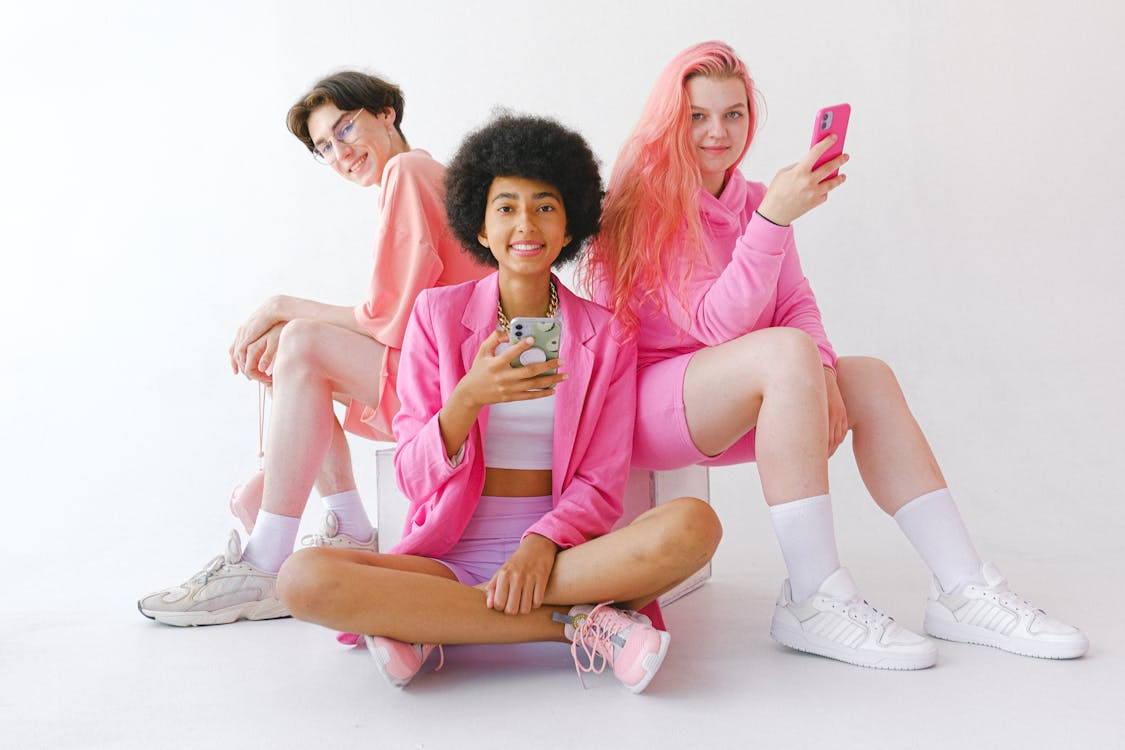
Born between the late 1990s and the early 2010s, Gen Z has emerged as one of the most influential consumer groups worldwide.
With billions in spending power and an unmistakable digital-native identity, Gen Z consumer expectations are reshaping how global brands communicate, innovate, and build trust. Companies that fail to adapt risk losing relevance in a market where authenticity, transparency, and social impact matter as much as product quality.
A Generation That Expects Authenticity
For Gen Z, marketing hype means little without genuine substance. They have grown up surrounded by constant advertising and can easily detect when a brand is trying too hard to be noticed. Authentic voices, honest messaging, and relatable content are what drive trust more than polished campaigns.
Gen Z favors brands that acknowledge imperfections, show their human side, and communicate transparently. Whether through behind-the-scenes content, unfiltered social media posts, or open discussions about challenges and updates, authenticity sets the tone for meaningful engagement.
Companies that attempt inauthentic virtue signaling or jump on trends without alignment to their values face quick backlash. In the Gen Z market, authenticity is not an option; it’s the baseline.
To explore how young audiences reshape media power, see Global Streaming Wars: The Battle for Cultural Influence.
Social Values Shape Brand Loyalty
Gen Z is the most socially conscious generation to date, and they expect brands to reflect their values. Climate change, racial justice, LGBTQ+ rights, mental health, and sustainability are top priorities. This generation rewards companies that make fundamental contributions to social causes, not just marketing-driven gestures.
Brands like Patagonia, Ben & Jerry’s, and Allbirds have gained trust among young consumers by integrating activism and sustainability into their core business models. Meanwhile, companies that contradict their public messaging through harmful practices often face boycotts or social-media scrutiny.
Gen Z doesn’t just buy products. They invest in brands that align with their worldview. Companies that remain silent or neutral on key issues risk being overshadowed by more socially engaged competitors.
Also read Women Leading Global Innovation to understand how inclusive leadership aligns with Gen Z values.
Digital, Immersive, and Mobile-First Experiences
As true digital natives, Gen Z expects seamless and immersive brand experiences across all platforms. They engage with brands through social apps, video content, interactive tools, and even virtual worlds.
Short-form video platforms like TikTok drive trends and discovery. Brands that embrace creator collaborations, viral challenges, and bold visual storytelling often perform best in this environment. Gen Z also values personalization. They expect algorithms, apps, and websites to adapt to their preferences.
The rise of augmented reality (AR) try-ons, virtual shopping spaces, and gamified experiences reflects Gen Z’s desire for entertainment integrated with commerce. Digital convenience isn’t enough. This generation seeks fun, interactive, and frictionless experiences that feel tailored specifically to them.
Explore The Future of Work: Will the 4-Day Week Go Global? to see how work patterns shape Gen Z spending.
Affordability and Function Still Matter
While Gen Z has strong ideological preferences, they also face economic realities. Rising living costs, student debt, and uncertain job markets are burdensome for many. As a result, affordability and value remain significant factors in purchasing decisions.
Brands that offer transparent pricing, durable products, and flexible payment options appeal strongly to this group. Secondhand marketplaces, upcycled goods, and repair-friendly brands are gaining traction due to both cost and sustainability benefits. Functionality and quality are non-negotiable. Gen Z doesn’t want planned obsolescence; they want products that last.
Check out How Global Inflation Is Changing the Way We Shop and Save to see how budgets shape Gen Z choices.
The Future: Co-Creation and Community-Driven Brands
Perhaps Gen Z’s most defining preference is their desire to shape, and not just consume, brand identity. They value companies that listen, involve them in product development, and foster genuine communities.
Brands are responding through co-creation campaigns, fan-powered design contests, Discord communities, and interactive platforms where users directly influence new features and releases. Gen Z seeks belonging, not just buying. The most successful brands of the future will be those that build authentic, collaborative relationships with their consumers.
In the evolving marketplace, Gen Z is not merely another demographic; they are a transformative force. Their expectations are reshaping marketing, sustainability, digital innovation, and global brand accountability. Companies that meet these expectations will thrive, and those that don’t risk becoming irrelevant.