Artificial intelligence is transforming nearly every sector of global society, and diplomacy is no exception. As nations grapple with rising geopolitical tensions, complex conflicts, and rapid technological change, AI is emerging as both a tool and a potential participant in international negotiations.
While the idea of robots brokering peace may sound futuristic, AI-driven diplomacy is already influencing how governments analyze threats, predict conflict, and communicate across borders. The question now is not whether AI will shape global diplomacy, but how far it will go.
How AI Is Entering the Diplomatic Arena
AI’s first significant role in diplomacy is analytical. Governments and international organizations are increasingly relying on machine-learning tools to sift through massive datasets, monitoring troop movements, detecting disinformation campaigns, predicting migration flows, and identifying early signs of political instability. These systems can process information at speeds impossible for human analysts, providing diplomats with clearer insights and faster response options.
AI is also being used to simulate the outcomes of negotiations. For example, conflict-resolution models can test how different policy decisions might affect ceasefire stability or regional alliances. These simulations enable negotiators to anticipate risks and comprehend complex stakeholder dynamics.
At the communication level, AI-powered translation tools are reducing language barriers, enabling more transparent and efficient discussions. Real-time translation, already widely used in business, is beginning to influence diplomatic exchanges in multinational forums. While AI is not replacing diplomats, it is reshaping the information environment in which they operate.
See The Future of the United Nations in an Era of Fragmentation for more context on global institutions’ diplomacy.
Potential for AI to Influence Negotiation and Conflict Prevention
AI’s predictive capabilities have significant implications for peacekeeping and conflict prevention. Machine-learning models can identify patterns in economic data, social media activity, or satellite imagery that suggest rising tensions. Early-warning systems, powered by AI, are already helping humanitarian and security agencies deploy resources before crises erupt.
In peace negotiations, AI could support mediators by analyzing previous agreements, identifying points of contention, and proposing compromise structures. Researchers are exploring how natural language processing could assist in drafting treaties, reducing ambiguity, and improving clarity.
Some envision a future where AI tools act as neutral “advisors,” helping parties navigate emotionally charged disputes with data-driven fairness and impartiality. These systems could enhance trust by offering solutions that are less likely to be influenced by political bias.
Yet critics warn that no algorithm can fully account for cultural nuance, historical trauma, or human emotion, which are key elements of successful diplomacy.
Explore How Political Unrest Impacts the World’s Supply Chains to connect AI forecasting with real-world trade disruptions.
Risks, Vulnerabilities, and Ethical Concerns
AI diplomacy also introduces serious risks. Automated analysis can misinterpret data, leading to flawed conclusions or misguided policy decisions. If AI models contain hidden biases, they could worsen international tensions or reinforce unequal power structures.
There is also the danger of overreliance. Governments might defer too much judgment to AI systems, treating predictions as certainties instead of possibilities. In high-stakes negotiations, such as those involving nuclear arms control, errors can have catastrophic consequences.
Cybersecurity poses another significant threat. AI systems used for diplomatic purposes could be hacked, manipulated, or fed false data by adversaries seeking to influence negotiations. The use of autonomous systems in military environments raises even greater concerns, especially if AI misinterprets intent or triggers unintended escalation.
Ethically, many question whether diplomacy, grounded in human empathy, judgment, and moral reasoning, should ever be entrusted to machines. AI may support negotiation, but trust-building between nations still requires human relationships.
Check out Why Cybersecurity Is Becoming a Global Priority for insight into the risks of AI-powered political systems.
How AI Could Redefine Global Cooperation
If developed responsibly, AI diplomacy could significantly reshape international cooperation. It could streamline humanitarian coordination, reduce miscommunication between rivals, and create more transparent negotiations. AI could also help smaller nations, which often lack large intelligence agencies, access analytical capabilities previously reserved for global powers, leveling the diplomatic playing field.
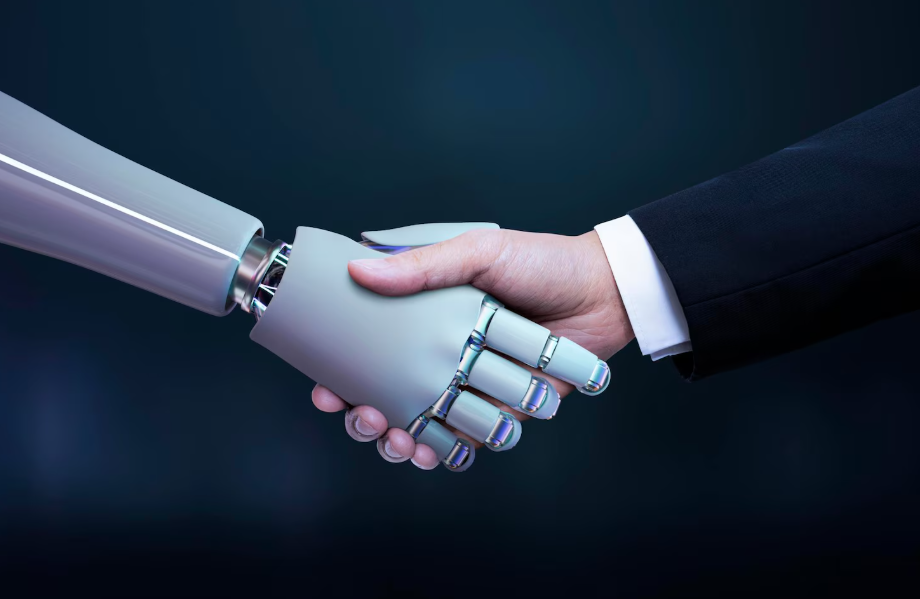
The future likely lies in hybrid diplomacy, where AI augments human decision-makers rather than replacing them. Diplomats may work alongside AI systems that provide detailed modeling, simulate negotiation outcomes, or draft treaty language. International bodies may develop shared AI standards to ensure transparency and reduce misuse.
AI will not bring world peace on its own, but it could help prevent conflicts, strengthen cooperation, and guide global leaders toward more informed, data-driven decisions.